

Study Modes
Structured, supported & flexible options for mature learners.

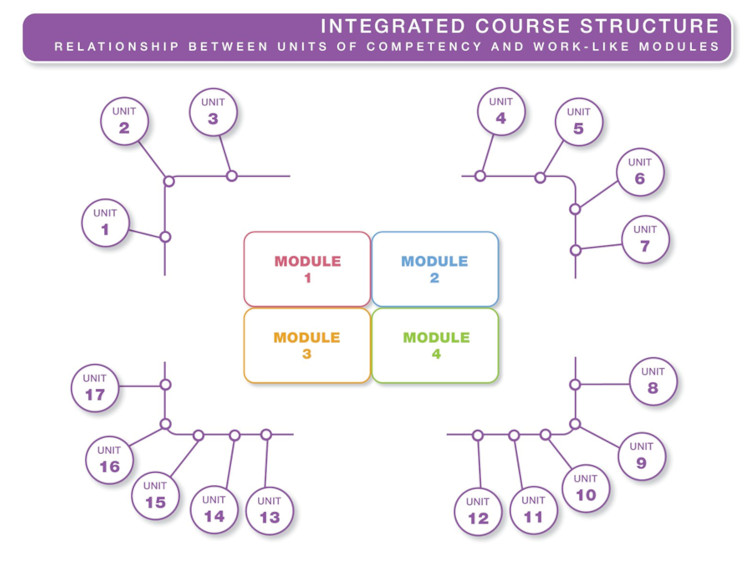
ITAC courses are designed to be practical, structured and easier to follow. Instead of completing every unit separately from start to finish, students complete related learning and assessment activities within practical study modules.
This module-based structure helps students understand how different parts of the course connect in real workplaces. It also creates a clearer and more efficient learning experience while still requiring students to complete all required training, assessment tasks, workplace evidence and placement requirements.
The result is a course structure that is easier to navigate, more connected to real workplace practice and better suited to building practical graduate skills.
Nationally recognised qualifications are made up of individual units of competency. In many courses, students complete these units separately, even where several units involve related workplace skills, knowledge or responsibilities.
ITAC uses a module-based structure to group related learning and assessment activities into practical study modules. Each module brings together content that naturally fits together because it relates to similar workplace tasks, professional responsibilities or real-world situations.
For example, several units may involve communication, safety, documentation, workplace procedures or teamwork. Rather than approaching these as completely separate topics every time, students complete related activities in a more connected and practical format.
The exact module structure varies depending on the qualification, course requirements and assessment design.
Module-based learning helps make the course clearer, more practical and easier to follow.
This can help students:
Students still need to meet the required standard for their qualification. The benefit is that the course is organised in a way that is more practical, more connected and easier to navigate.
Module-based learning does not remove course requirements or lower the standard students must meet. Students still complete the required training, assessment tasks, workplace evidence and placement requirements for their qualification.
Module-based learning gives students a clearer and more practical way to complete their course. It connects related skills and knowledge, supports workplace-relevant learning and helps students focus on the parts of the course that matter most.
Students still complete all required training, assessment and workplace evidence. The difference is that the course is structured in a way that is easier to follow, more connected to real workplace practice and more efficient for adult learners.


Study related content together through a clearer, more efficient course structure.

Trainer visits and tailored support during your school or childcare placement.



Build a study routine around work, family and other commitments, without fixed class times or due dates.
Access all webinars, assessments and course resources online whenever you are ready to study.
Experienced local trainers to help with course content, assessments, placement and study planning.

Experience our range of innovative programs at ITAC, enhancing your educational journey towards success.