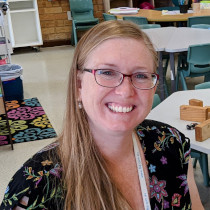
Australian teacher aide supervising a classroom.

CHC30125 Certificate III in Early Childhood Education and Care

The CHC30125 Certificate III in Early Childhood Education and Care is a nationally recognised qualification for people seeking entry-level work in childcare centres, kindergartens and family day care settings.

Certificate III is generally the entry-level qualification for early childhood education and care work. It is suited to students who want to begin working with babies, toddlers and preschool-aged children in approved early childhood services.

The course is delivered online and self-paced, with structured learning materials and support from experienced local trainers. Many students aim to complete within 6–12 months, depending on their prior experience, weekly study routine, assessment progress and placement arrangements. [Read more about course duration]

As part of the qualification, students complete a minimum 160-hour placement in a registered early childhood service. ITAC also conducts a placement site visit for students, providing an additional layer of support and quality assurance during the practical component of the course.

Students develop the practical skills expected of early childhood educators, including:

  • supporting children’s health, hygiene, safety and wellbeing
  • creating inclusive, age-appropriate learning environments
  • building positive relationships with children and families
  • using respectful, child-focused behaviour guidance
  • observing, documenting and responding to children’s learning and development
  • supporting babies, toddlers and preschool-aged children
  • working within legal, ethical and regulatory requirements

The CHC30125 Certificate III in Early Childhood Education and Care reflects current early childhood practice, including the Early Years Learning Framework, and prepares students for entry-level work in approved early childhood education and care services.

CHC30125 Certificate III in Early Childhood Education and Care

  • Qualification
    CHC30125 Certificate III in Early Childhood Education and Care
  • Accreditation
    Nationally recognised qualification
  • Availability
    Available in WA, VIC, NSW, QLD, SA and ACT
  • Duration
    Many students complete within 6–12 months, depending on their experience, study routine, support needs and placement arrangements. [Read more]
  • Enrolment
    Flexible 12-month enrolment period to support self-paced study and common life interruptions. Extensions are available where additional time is required.
  • Content
    Foundational early childhood education and care concepts, including health and safety, nutrition and hygiene, infant and toddler care routines, child development, inclusion, play-based learning, observation and documentation
  • Placement
    Minimum 160 hours in a registered early childhood service, with placement support, trainer guidance and required workplace assessment [Read more]
  • Study Mode
    Online Mode: enrol anytime, with flexible self-paced study. [Read more]
  • Recognition of
    Prior Learning
    Available for highly experienced learners. [Read more]
  • Support
    Experienced trainers, regular check-ins, weekly live webinars, assessment support, placement guidance, site visits and tutorials in selected areas. [Read more]
  • Module-Based Learning
    Related course content is organised into work-like study modules, so students can work through connected topics and avoid unnecessary repetition. [Read more]
  • Fees & Payment
    $3,700. Interest-free payment plans available. Eligible students may be able to access Centrelink student payments. Includes a 7-day obligation-free evaluation period and required course materials. [See Fees tab]

The CHC30125 Certificate III in Early Childhood Education and Care is a nationally recognised qualification for people who want to work in childcare centres, kindergartens, family day care and other approved early childhood education and care services.

The course prepares you to support babies, toddlers and preschool-aged children through safe care routines, play-based learning, positive relationships, inclusion, child development, observation, documentation and communication with families and colleagues.

Yes. The CHC30125 Certificate III in Early Childhood Education and Care is a common entry-level qualification for early childhood educator and childcare assistant roles in approved early childhood services.

Job titles vary by employer and state. Common roles include early childhood educator, childcare worker, childcare assistant, assistant educator, family day care educator and outside school hours care educator.

Many students complete the Certificate III in Early Childhood Education and Care within 6–12 months, depending on their experience, study routine, support needs and placement arrangements.

Experienced adult learners may progress more quickly where they already have relevant life, work, parenting, volunteering, childcare or prior study experience. Students who are newer to study, the workforce, childcare settings or professional documentation may take closer to 12 months, or longer where needed.

The course is self-paced and includes a flexible enrolment period. Extensions are available for a published monthly fee.

Yes, some students aim to complete in about 6 months. This is most realistic for students who study consistently, complete assessments steadily, arrange placement early and already have relevant experience with children, parenting, childcare, community work, administration, caring roles or workplace communication.

Completion in 6 months is not guaranteed. Students must complete all required learning, assessment tasks, workplace evidence, placement requirements and any required credit transfer evidence to the required standard.

Yes. The course includes a minimum 160-hour work placement in a registered early childhood education and care service.

During placement, you apply your learning in a real early childhood setting. This may include supporting care routines, engaging with babies and toddlers, helping with play-based learning, observing children’s development, following service policies and working under the direction of qualified educators.

An ITAC trainer and assessor visits each student during placement to provide guidance, advice and support, and to collect evidence of the student’s practical skills and workplace competency.

Students must gain experience with babies, toddlers and preschool-aged children. This includes access to babies under 12 months, toddlers aged 13–23 months and children aged 2–6 years. This ensures students gain practical experience across the early childhood age range and can meet the workplace requirements of the qualification.

ITAC provides placement support and can assist students to secure a suitable early childhood service placement.

Students are also encouraged to use their own contacts where appropriate, such as a local childcare centre, kindergarten, family day care service or service where they already work or volunteer. This can sometimes lead to a smoother placement and stronger employment opportunities.

Where ITAC assists with placement, students may need to be flexible with location, days, service availability and timing. This may mean travelling further than preferred.

Most students begin placement after completing the main theory components of the course. This helps ensure they are prepared for workplace practice and can complete workplace tasks without unnecessary delays.

Your trainer will guide you based on your course progress, readiness, service availability and any placement requirements that apply in your state or territory.

No. The HLTAID012 Provide First Aid in an education and care setting unit is required for the qualification, but it is not delivered by ITAC and is not included in the course fee.

Students must complete HLTAID012 with a suitable external training provider and submit their Statement of Attainment to ITAC for credit transfer.

Students receive support from experienced trainers, weekly live webinars, phone and email support, placement guidance, assessment support and access to ITAC’s online learning materials.

Students may also access targeted support programs where suitable, including EnablePath, Dandjoo Support, YouthWay, Academic Engagement Program, JobAssist and other student support services. These programs support students with different learning needs, cultural support needs, youth transition needs, career goals and personal circumstances.

No. The Certificate III in Early Childhood Education and Care does not use formal exams or academic essays.

Assessment is practical and workplace-focused. Tasks may include short answer questions, projects, developing resources, short video presentations, workplace documentation, portfolio evidence, supervisor feedback and trainer observation during placement.

Yes. The course is designed for adult learners who may be balancing study with work, parenting, volunteering or other responsibilities.

Study is self-paced, so students can progress more quickly during quieter periods and slow down when life is busy. The key requirement is that all assessment and placement requirements must be completed to the required standard within the enrolment period.

Graduates may apply for roles such as early childhood educator, childcare worker, childcare assistant, assistant educator, family day care educator and other entry-level roles in approved early childhood education and care services.

Employment requirements vary between states, territories, service types and individual employers. If in doubt or unsure of employment requirements, please contact local employers or the relevant regulator for advice prior to enrolling.

Yes. CHC30125 Certificate III in Early Childhood Education and Care is a nationally recognised qualification.

The qualification is recognised across Australia, although employment requirements, service requirements and regulatory expectations may vary between states, territories and employers.

The Certificate III is suitable for students who are new to early childhood education and care or who want an entry-level childcare qualification.

The Diploma may suit students who already have early childhood experience or who want to develop more advanced skills for room leadership, programming, supervision or higher-responsibility roles.

The Early Childhood Combo may suit students who want broader long-term options and plan to progress beyond entry-level work in the early childhood sector.

ITAC uses an integrated course structure because real early childhood work does not happen one unit at a time. Educators use communication, safety, supervision, care routines, inclusion, documentation, child development and play-based learning skills together throughout the day.

The integrated structure groups related skills and knowledge into practical learning modules. This reduces unnecessary repetition while still requiring students to complete all required training, assessment, placement and workplace evidence.

ITAC has supported tens of thousands of students across Australia and designs courses for adult learners who need structure, flexibility and practical support.

Students choose ITAC because the course is nationally recognised, purpose-built for early childhood education and care roles, delivered online with structured support, includes practical placement and site visits, and is supported by experienced trainers and student support services.

Units of Competency for the CHC30125 Certificate III in Early Childhood Education and Care

CHCECE030 Support inclusion and diversity
CHCECE031 Support children’s health, safety and wellbeing
CHCECE032 Nurture babies and toddlers
CHCECE033 Develop positive and respectful relationships with children
CHCECE034 Use an approved learning framework to guide practice
CHCECE035 Support the holistic learning and development of children
CHCECE036 Provide experiences to support children’s play and learning
CHCECE037 Support children to connect with the natural environment
CHCECE038 Observe children to inform practice
CHCECE054 Encourage understanding of Aboriginal and/or Torres Strait Islander peoples' cultures
CHCECE055 Meet legal and ethical obligations in children’s education and care
CHCECE056 Work effectively in children’s education and care
CHCPRT001 Identify and respond to children and young people at risk
HLTAID012 Provide First Aid in an education and care setting *
HLTWHS001 Participate in workplace health and safety
CHCDIV001 Work with diverse people
CHCPRP003 Reflect on and improve own professional practice

* This unit is completed externally at the student's own cost.

Fees & Payments

  • Course Fee:
    $3,700
  • Payment Plan:
    Interest-free options available
  • Transaction fees:
    None
  • Centrelink:
    Eligible for student payments during study
  • Materials:
    Included – no additional costs
  • Textbook:
    PDF version provided free; optional paperback available for purchase
  • Evaluation Period:
    7-days
  • Terms and Conditions:
    Enrolment Terms and Conditions
    Direct Debit Terms and Conditions

Interest-Free Payment Options

Plan $/Pay Total
Weekly x 52 $71.15 $3,700.00
Weekly x 26 $142.31 $3,700.00
Fortnightly x 26 $142.31 $3,700.00
Fortnightly x 12 $308.33 $3,700.00
Fortnightly x 6 $616.67 $3,700.00
Monthly x 12 $308.33 $3,700.00
Monthly x 6 $616.67 $3,700.00
Monthly x 3 $1,233.33 $3,700.00

Admission

Prerequisites No formal prerequisites specified in the accredited training package.
Language Requirements Students must demonstrate functional English suitable for early childhood contexts, including reading and interpreting service policies, understanding regulatory documents, and communicating clearly with children, families, and colleagues.
Literacy Requirements Students must have the literacy skills required to read and apply basic documentation such as safety procedures, children's routines, and policies, and to accurately complete observations, incident reports, and daily communication records.
Numeracy Requirements Students must demonstrate basic numeracy skills for tasks such as measuring and recording medication dosages, nutrition and hygiene practices, reading graphs, and performing routine calculations required in childcare settings.
Digital Literacy Requirements Students must have regular access to a computer with internet and basic software (PDF reader, browser, word processor). Students must also be able to access and effectively use e-learning tools, complete digital assessments, and use basic technologies relevant to early learning environments (e.g., tablets, electronic documentation).
Physical Requirements Students must be physically capable of participating in indoor and outdoor learning activities. This includes sitting on the floor, lifting small children, assisting with play and movement, and setting up equipment. Reasonable adjustments may be available for students with physical limitations—contact ITAC before enrolling.
Age Requirement Students must turn 16 in the calendar year of enrolment. Students under 18 require a career guidance interview with an ITAC trainer.
Location Students must reside in Australia.
Visa Status This course is not available to student visa holders (subclass 500). [Find CRICOS providers here]
Clearances Students must obtain the relevant working with children clearance for their state or territory (e.g., WWCC, Blue Card, WWVP). [Read more]
Disposition Requirements Students must demonstrate a suitable disposition for working with children, including appropriate behaviour, communication, attitude, reliability, professionalism, emotional maturity, and a commitment to ethical and safe conduct at all times.
Workplace Expectations Students must meet common workplace standards for early childhood settings, including being drug and alcohol-free, dressing appropriately, maintaining personal hygiene, and presenting in a professional, respectful, and safe manner when attending placement.
ITAC Discretion ITAC reserves the right to accept or decline enrolment based on any factor it reasonably considers relevant, including capability, support needs, conduct, or course suitability.

Course Highlights

  • Complete in 6–12 months
  • Online with placement
  • Site visit included
  • Start anytime
  • Local trainer support
  • Trusted by 30,000+ students
  • Centrelink approved
  • Interest-free payment plans
  • No exams or essays
  • Materials included
Support When You Need It

MEET YOUR LOCAL TRAINERS

Kylie W

Kylie is a degree-qualified early childhood teacher with over 10 years in adult education. She enjoys the variety of her role and planning family adventures.

Lisa

Lisa is an experienced early childhood teacher who balances teaching and training roles. At home, she's happiest spending time with her family and their beloved pets.

Candace

Candace is a qualified primary teacher with nearly 10 years' classroom experience. She enjoys helping students succeed and relaxing at the beach with family and friends.

Aliesha

Aliesha has over 20 years' experience in education and loves supporting ITAC students and staff. Outside work, she enjoys camping trips and time with her grandchildren.

Tahlia

Tahlia is an experienced Early Childhood Educator with over 13 years’ experience in the industry. Tahlia loves to be outdoors exploring with her family.

Louise

Louise has many years of experience in WA schools and has lectured at TAFE and private providers. Louise enjoys nature, reading and spending time with her cat, Jasper.

Carolyn

Carolyn is a degree-qualified teacher who and university lecturer. She enjoys helping future educators and cheering on her son at swim meets.

Catherine

Catherine has dedicated 25 years to supporting students with learning difficulties and disabilities. Outside work, her family life keeps her smiling—and she adores giraffes!

Natasha

Natasha is an experienced educator with more than 10 years’ experience. She is especially passionate about Bush Kinder and enjoys running with her dog.

Krystal

Krystal has over 23 years of experience in childcare and a strong passion for educating. In her spare time, she enjoys shopping and spending quality time with her family.

Kylie S

Kylie has nearly 12 years' experience supporting primary students, especially in literacy. She loves helping others achieve their goals and sharing the joy of reading.

Amy

Amy holds an early childhood degree and has over 20 years’ experience in the sector, including as a director. She enjoys live music and meaningful conversations.

Joy

Joy is an experienced primary and specialist education teacher. She loves reading, travel, and discovering amazing food along the way.

Margie

Margie is a secondary teacher experienced in special education and vocational training. She loves exploring Queensland’s countryside and beaches.

Nationwide Support:
Trusted by Thousands of Students Every Year

Ready to get started?
Enrol today with local trainer support.

Enrolments Open
  • shape
  • shape
  • shape
  • shape